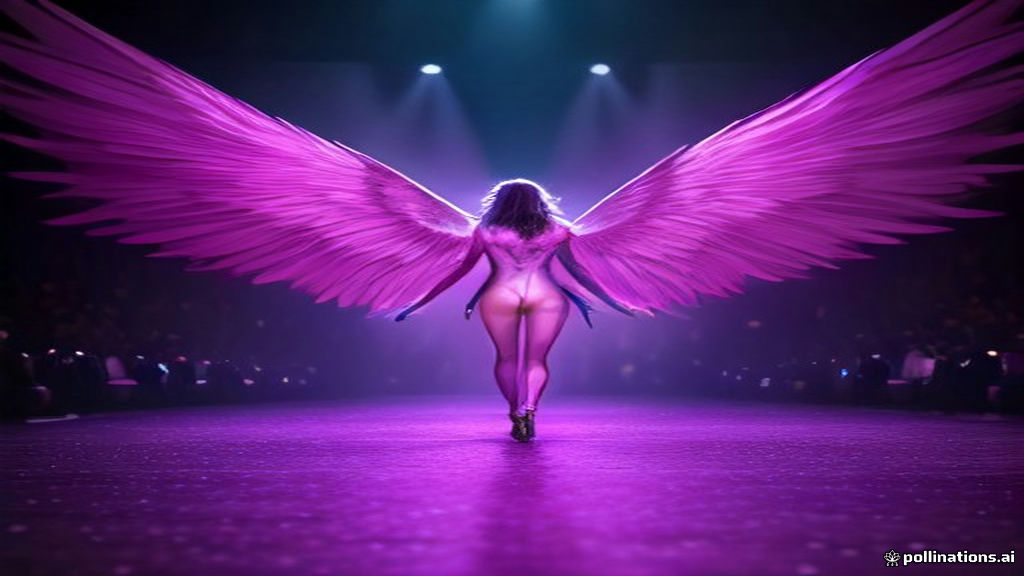
The wings dusted off. The glitter sprayed across the runway. After six years in pop culture purgatory, the Victoria’s Secret Fashion Show officially staged its comeback in New York, trying desperately to prove it can keep up with modern beauty standards without losing the high-wattage sex appeal that built its empire.
From the jump, the lingerie giant pulled every lever to dominate social feeds. An all-woman musical lineup featuring Cher, rising global star Tyla, and BLACKPINK powerhouse Lisa gave the presentation genuine star power. When Tyra Banks emerged in the grand finale—her first time walking the brand’s catwalk in nearly two decades—she received deafening applause from a VIP front row that included industry insiders and influencers alike.
Nostalgia Meets the Modern Runway
The show leaned hard into 2000s runway nostalgia while attempting to rectify past sins. Supermodels like Adriana Lima, Alessandra Ambrosio, and Kate Moss reprised their Angel personas, stepping into the spotlight alongside modern runway royalty Gigi and Bella Hadid.
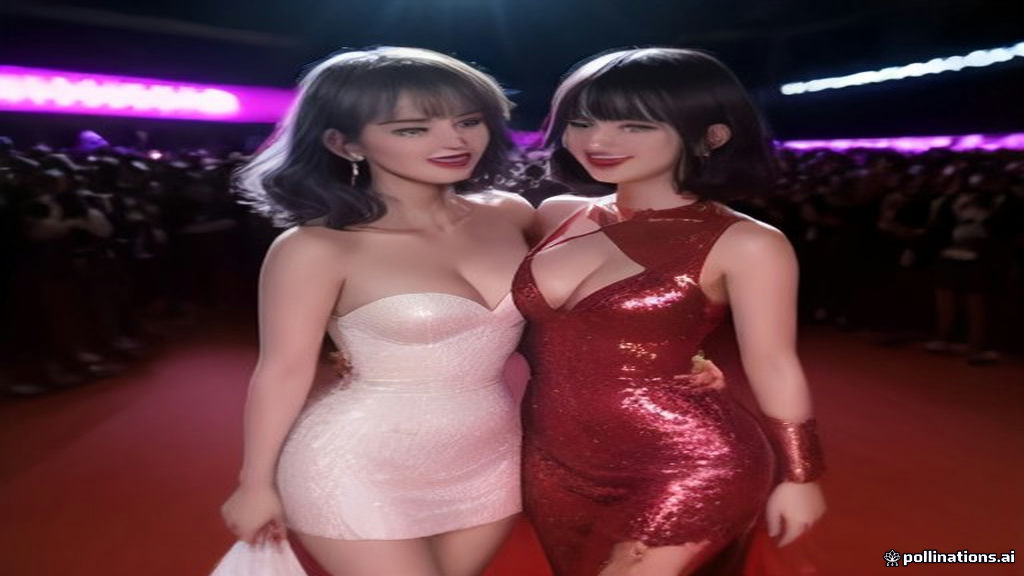
Yet the runway looked visibly different from the late-2010s broadcasts that tanked the company’s reputation. Models like Paloma Elsesser and Devyn Garcia brought long-overdue curve representation, while Alex Consani and Valentina Sampaio represented trans visibility on the pink carpet.
Behind the scenes, the brand worked overtime to shed its historic controversies. Canceled in 2019 amid cratering ratings, misogyny allegations against former executives, and ties to disgraced financier Jeffrey Epstein, the label spent years watching competitors like Rihanna’s Savage X Fenty steal their cultural relevance.
Performative or Authentic Progress?
Online reactions shifted immediately between ecstatic nostalgia and sharp skepticism. On TikTok and X, clips of Cher performing “Believe” alongside Adriana Lima blew up within minutes. Pop culture junkies cheered the return of unapologetic fashion camp.
Still, critical voices argued the runway felt like a cautious checklist rather than a bold creative reinvention. Skeptics pointed out that the silhouettes and styling largely mirrored old formats, questioning whether casting a few curve models balances out decades of rigid body ideals.
What remains clear is that Victoria’s Secret succeeded in getting everyone talking again. Whether that conversation converts back into retail dominance—or leaves consumers feeling like the spectacle is an echo of the past—will determine if these wings ever fly again.